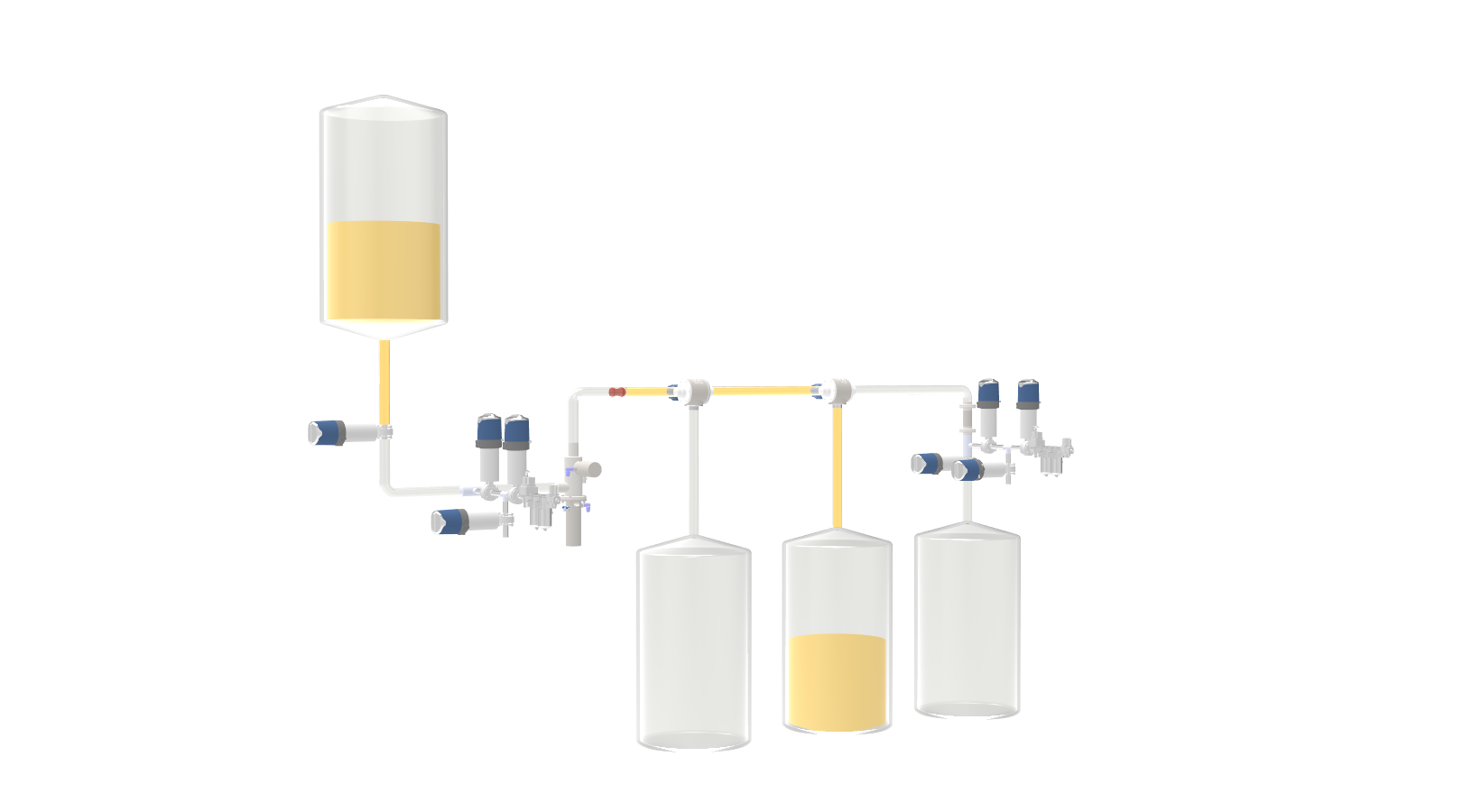
Increasing process efficiency needs strategic regulation of Pig pace.
Exact System Pig Pace Governance: Specific Experiential Tutorial
Obtaining paramount pig cadence is required for capable pipeline processing. Handling pig navigation consistently necessitates a complete grasp of several factors, including pipeline shape, pig composition, and element attributes. This treatise details hands-on methods for enhancing pig timing, embracing issues like injection pressure, gathering pressure, and the bearing pig speed in pipeline of feedback pressure. In conclusion, uniform pig speed regulation leads to improved line soundness and minimized operational fees.Components Influencing Pigging Framework Movement
Multiple fundamental variables affect the cadence at which a pig transits through a pipe. Compression, both the preceding and downstream, is a weighty factor; a higher pressure differential typically brings about a faster pigging speed. The thickness of the tube also plays a contribution, with larger diameters supporting for greater pig paces. Furthermore, the cleaning tool's architecture, including its size and silhouette, positively guides its travel. Finally, the level of contaminants and the condition of the pipe shell can produce retardation, inhibiting pigging cadence.
Ensuring Efficient Pig Speed in Networks
Assuring uniform component speed within process networks is necessary for successful output. Several parameters influence element advance, including duct diameter, load, and element weight. Systematic tracking of slurry movement and fast correction of functional criteria are required to inhibit clogs and conserve optimal operation.
Guiding Pig Flow: Key to Efficient Pipeline Treatment
Skillfully governing pig rate is indispensably important for realizing a intensive pipeline cleaning. An excessive a speed can weaken the channel, while slow-moving a journey may fail to eliminating all buildup. Therefore, deliberate fine-tuning of the scraper's functional cadence is vital to for line integrity and service outcome.
A Effect of Pig Rate on Pipeline Pigging Processes
An pace of the device significantly impacts the performance of pipeline service processes. A gradual rate may enable for more complete scale removal, particularly in complex pipeline sections, but can extend the overall activity term and probably increase working outlays. Conversely, a heightened pace can hasten the cleaning process, curtailing span and expenditure, however, it threatens a partial cleaning and can possibly damage the line. Therefore, modulating tool rate requires careful appraisal of pipeline properties, substance qualities, and desired goals.
Upkeep Apparatus Velocity: Foremost Policies and Issue Resolution
Maximizing upkeep mechanism rate is important for increasing output and minimizing waiting times. Normally, standard treatment velocity ranges lying within a set of feet per segment, although this can change depending on duct size, substance form, and device arrangement. If suffering from slow pigging momentum, check factors such as intense drag from encrustation, degraded mechanism sections, or impediments within the channel. Regular management, including instrument survey and residue cleaning, is imperative to support reliable maintenance speed and holistic configuration condition.
Appreciating Pipeline Pig Speed and its Outcomes
One rate at which a tool traverses a tube is a significant factor impacting functionality and safety. Excessive velocity can induce excessive drag, potentially leading to greater demand and even quick exhaustion of the equipment itself, as well as the pipe. Conversely, reduced velocity might induce insufficient cleaning, greater halts, and a deterioration in overall flow rate. Therefore, deliberate calculation and stable monitoring of pig momentum are essential for improving pipeline efficiency and lessening costly disruptions.
Advanced Methods for Pig Pace Oversight
Boosting farm animals cadence along feeding presents a crucial challenge for present-day growers. Employing high-tech tactics like continuous surveillance of individual creature's nourishment and utilizing exact feed delivery systems can dramatically reduce instances of overeating and improve overall group productivity. Furthermore, integrating pattern recognition with ambient condition control – such as calibrating thermal levels and luminosity – provides important information for refining pig cadence principles and stimulating a more steady maturation phase.