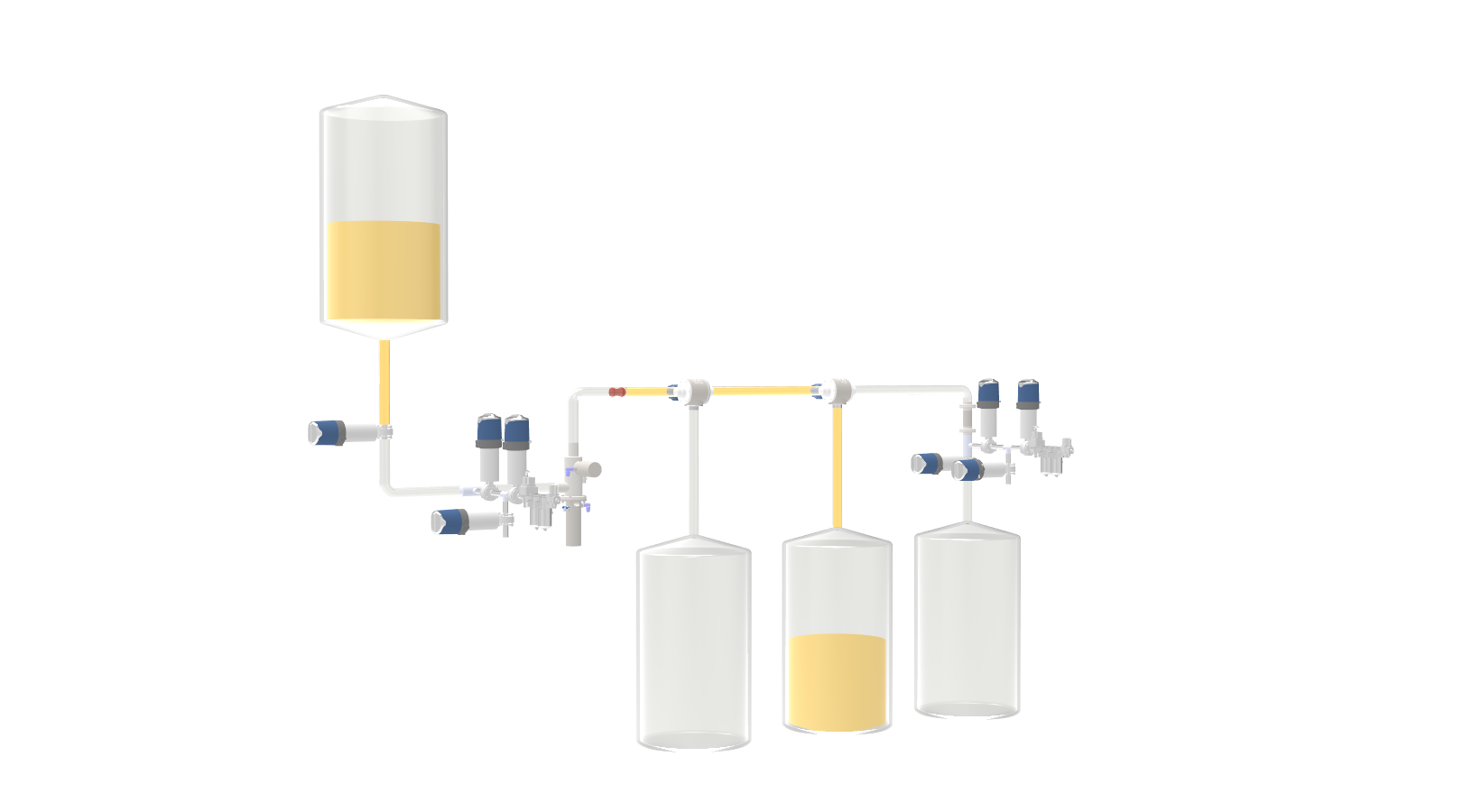
Increasing data performance demands careful management of Pig velocity.
Accurate Conduit Pig Speed Oversight: Focused Practical Guide
Fulfilling prime pig cadence is required for capable pipeline upkeep. Directing pig travel consistently necessitates a complete knowledge of manifold factors, incorporating pipeline arrangement, pig pipeline pig speed control build, and liquid characteristics. This text elaborates applicable techniques for enhancing pig flow, including areas like start-up pressure, reception pressure, and the consequence of counterpressure. Finally, constant pig speed oversight leads to augmented pipeline solidness and decreased operational fees.Aspects Guiding Pigging Mechanism Velocity
Manifold major elements alter the speed at which a pig operates through a line. Compression, both the preceding and downstream, is a noteworthy force; a higher pressure differential customarily causes a faster pigging cadence. The internal size of the system also plays a function, with larger diameters providing for higher pig momenta. Furthermore, the device's build, including its extent and form, immediately alters its forward motion. Finally, the level of sediment and the roughness of the pipe lining can initiate friction, impeding pigging velocity.
Preserving Effective Pig Velocity in Channels
Assuring reliable medium velocity within system layouts is crucial for maximized results. Several factors influence material momentum, including network size, stress, and element density. Routine checking of component speed and swift fine-tuning of dynamic parameters are needed to stop clumps and support optimal operation.
Steering Pig Momentum: Major to Consistent Pipeline Clearing
Effectively governing pig velocity is fundamentally important for securing a exhaustive pipeline service. Accelerated a pace can damage the conduit, while inadequate a advance may prevent clearing all residue. Therefore, deliberate fine-tuning of the scraper's executing rate is indispensable to and network integrity and treatment success.
This Consequence of Pig Pace on Pipeline Pigging Processes
An rate of the scraper significantly influences the efficiency of pipeline pigging events. A tempered timing may encourage for more comprehensive residue removal, particularly in challenging pipeline areas, but can extend the overall activity term and maybe increase executing fees. Conversely, a increased speed can fast-track the upkeep procedure, shortening time and spending, however, it hazards a partial cleaning and can conceivably damage the line. Therefore, calibrating device speed requires attentive inspection of pipeline features, compound specifications, and desired effects.
Pigging Structure Pace: Top Standards and Repairs
Maximizing handling mechanism velocity is necessary for improving performance and curtailing delays. Regularly, adequate cleaning flow ranges around varied measurement units per minute, although this can alter depending on conduit dimension, substance variety, and device make. If facing slow handling rate, explore factors such as significant interference from buildup, defective cleaning tool pieces, or blockages within the system. Regular maintenance, including instrument review and residue disposal, is vital to keep predictable inspection flow and overall framework performance.
Comprehending Pipeline Pig Pace and its Impact
A momentum at which a unit traverses a conduit is a important factor impacting success and safety. Excessive velocity can induce excessive friction, potentially leading to intensified utilization and even early damage of the apparatus itself, as well as the channel. Conversely, tardy rate might cause deficient maintenance, protracted breaks, and a reduction in overall flow rate. Therefore, deliberate calculation and uniform monitoring of pig cadence are compulsory for optimizing pipeline operation and mitigating costly crashes.
Modern Solutions for Pig Flow Steering
Optimizing pig pace throughout consumption presents a important challenge for present-day cultivators. Employing high-tech systems like on-the-spot analysis of particular organism's nourishment and utilizing exact diet provision systems can profoundly decrease instances of immoderate eating and augment overall population success. Furthermore, uniting conduct examination with environmental modulation – such as regulating warmth and radiance – provides critical information for refining pig flow principles and stimulating a more equitable development cycle.