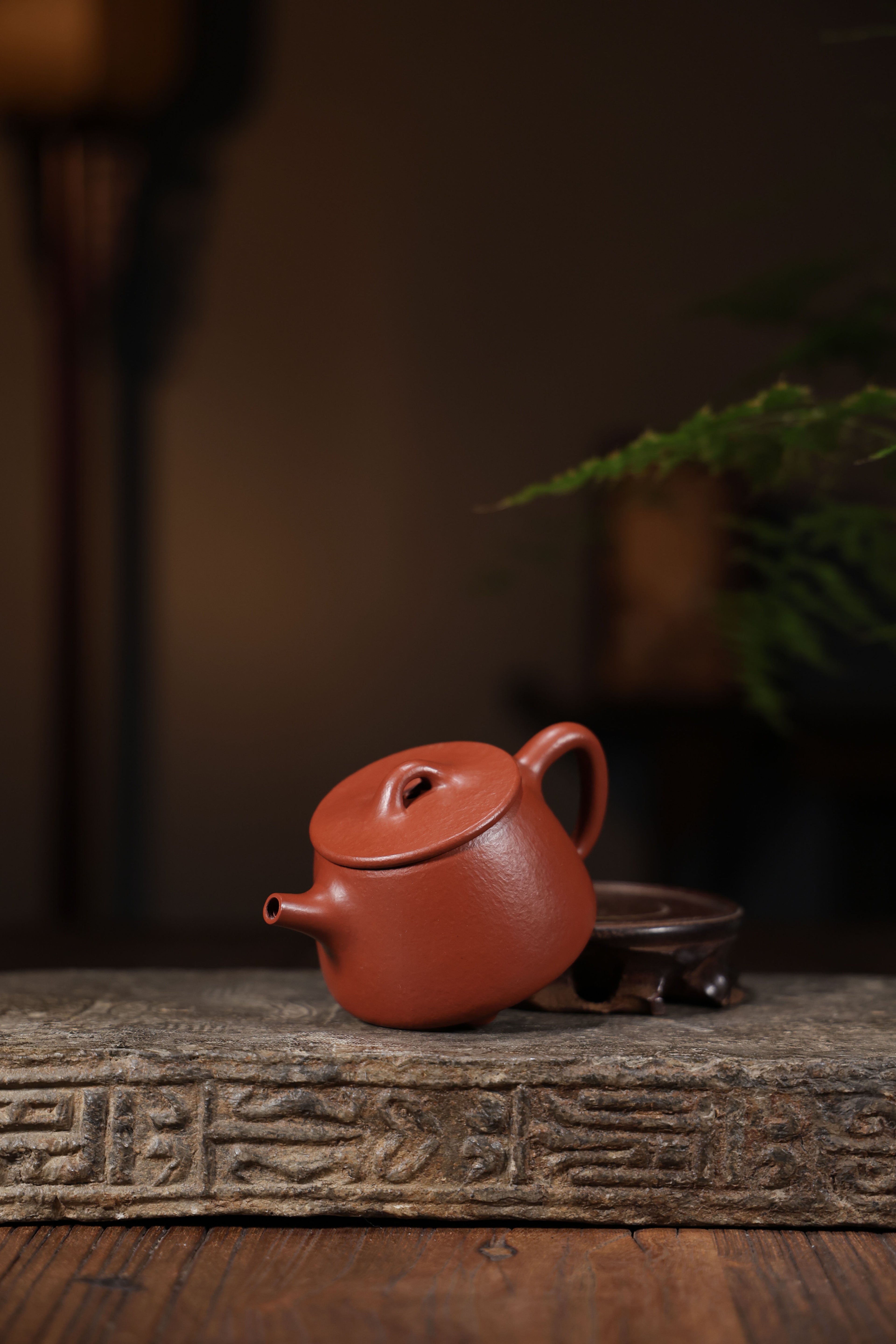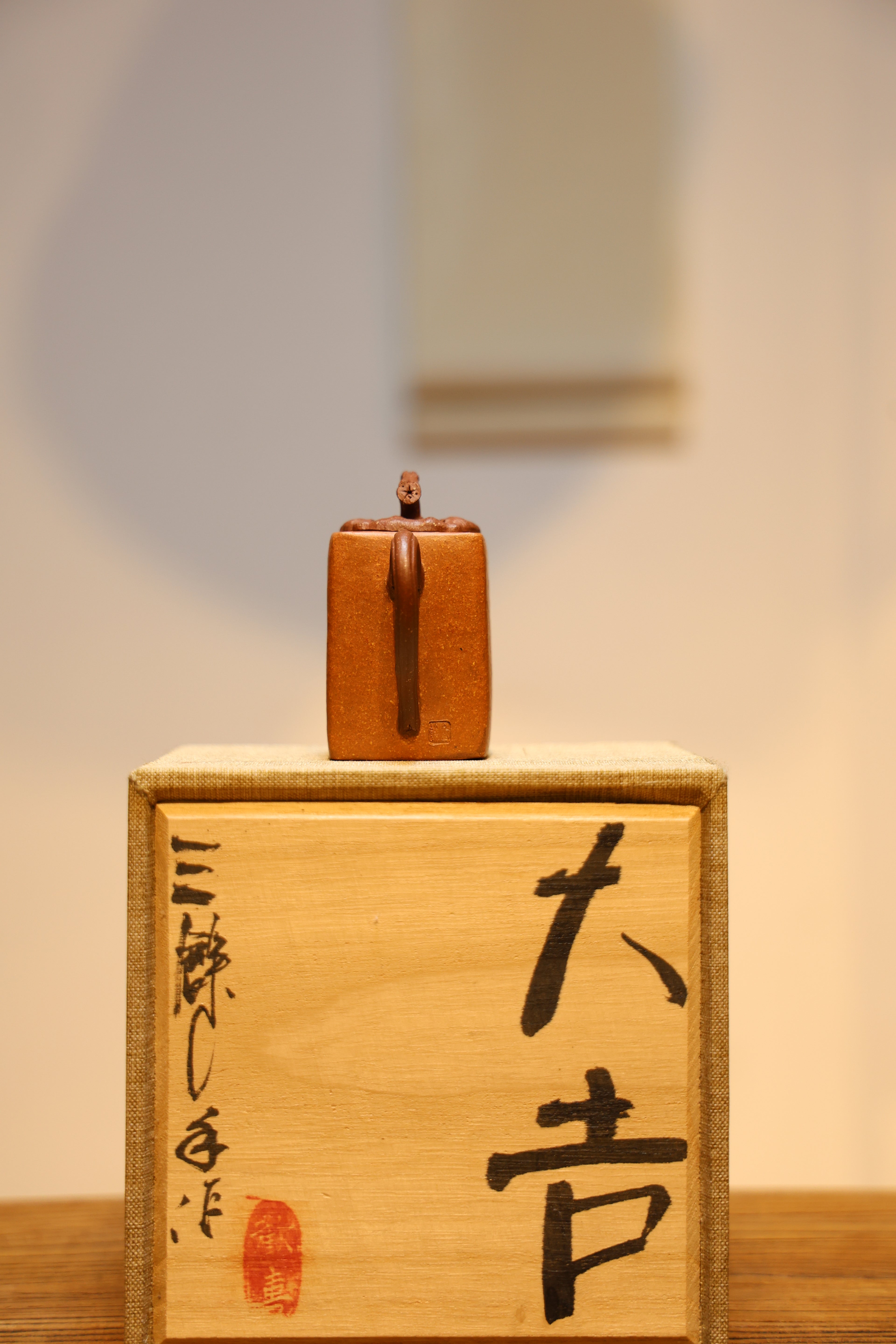
Eras in lovers have long pursued the particular magnetism of Yixing Zisha pitchers. Founded in the modest town of Yixing, the land, these earthenware are formed from a peculiar and extracted purple clay noted for its unmatched thermal characteristics and capability to boost the flavor of potions. Outside of their effective worth, Zisha teapots symbolize a time-honored traditional legacy, rendering them markedly coveted and a authentic masterwork for any enthusiastic teapot appreciator.
Understanding Yixing Pitchers
Traditional teapots exhibit a distinct amalgamation of history and skilled craftsmanship. Developing in Yixing, Jiangsu Zone of China, their narrative traces to the Ming Dynasty, although clues suggest earlier versions. The unique plum clay, called Zisha, found only in the Yixing region, is the paramount component, contributing to the pots' unmatched heat retention and the manner they shape the flavor of tea. Continuums of potters have honed techniques—often bequeathed through families—including coiling the clay, applying sophisticated embellishments, and firing the pots at controlled temperatures.- Historically, Yixing teapots were often enhanced with simple designs.
- Later, more advanced carvings and figurative motifs became favored.
- The heat treatment itself is a indispensable element, requiring extensive periods of mastery.
Accumulating Zisha Teapots: Key Aspects
Commencing a journey to obtain Zisha pitchers can be fulfilling, but it’s necessary to learn what to look for. Authenticity is essential; focus on the potter’s natural tint, a understated reddish-brown is usual. Examine the quality; genuine Zisha has a remarkable tactile sensation, often portrayed as slightly grainy. The morphology should be aesthetically sound and consistent with time-honored styles, while seals, if present, require careful examination for validity. Don’t resist to consult with qualified consultants or established contacts – their guidance is essential.
Chinese Vessels: Examining the Practice of famous Ceramics
Centuries have seen Yixing Purple Clay teapots occupy a distinguished role in Chinese custom. These beautifully crafted pots, sourced primarily from the locality of Yixing, are well-known for their peculiar cast, nature, and their ability to enrich the profile of tea. Many collectors seek antique Yixing teapots, prizing them greatly not only for their aesthetic appeal, but also for the past they embody.
Yixing Zisha Teapots: Such Premier Categories and Their Qualities
Yixing Pottery teapots, produced in the regional region of Yixing, the People’s Republic, are renowned for their distinctive clay and unparalleled brewing characteristics. In the diverse Zisha types, specific categories that are highly prized include Binzhou Purple Sand. Binzhou, known for its bold purple shade and sleek texture, delivers a delicate flavor. Duan Ni subclass, recognizable by its rusty color and slightly grainy feel, is perceived to enhance the depth. Lastly, The Zhuni type boasts an rare burgundy tone and can deliver a delightful nuance. Each variety supplies a varied experience, causing them highly desirable towards brew enthusiasts.
Achieving Your Pottery Pot
To unleash the virtue of your Yixing pot, understanding the correct modus operandi is critical. These clay containers, celebrated for their openness, will incrementally take on the quality of the tea you make within them. Begin by rinsing the pitcher thoroughly with clean water. Then, use only select natural leaf tea, as lower quality options can ruin the item’s delicate character. Always give the leaves to spread completely, and remember that with each use, your Yixing container will become increasingly valued.
Maintaining Your Rare Zisha Heirloom
Proper support for your Zisha jar is necessary to securing its character and esteem. Zisha clay, known for its unique tone and structure, requires Chinese Teapot considerate handling. Never use severe agents, as these can undermine the surface. After every session, rinse the container with warm water and allow it to dehydrate completely.
- Sidestep soaking the kettle for extended stretches.
- Sporadically use a soft towel to clean the exterior.
- Reflect on applying a thin layer of food-grade balm inside the kettle after drying, which can curb staining.
Initial Guide to Yixing Clay Pots
Yixing vessels, originating from the Yixing zone in Jiangsu Province, of China, are celebrated for their distinctive traits. Shaped from the unique purple clay known as Zisha, these containers are prized by brew enthusiasts worldwide. This digest will briefly explain the principles – covering forms of Zisha ground, prevailing shapes, and important care recommendations. Understanding the tradition of Yixing pitchers can heighten your appreciation for this traditional example of Eastern custom.
Technique of Eastern Pots: Highlighting Zisha sourced from the Yixing area
Zisha soil from this city of Yixing represents the culmination of Asian teapot design, boasting a distinctive mixture of authentic beauty and operational artistry. These notable pieces are noted for their profound tones, often stretching over bold purples and mahogany hues to pale greys and faint beiges. The noted mineral composition of the exclusive Zisha bedrock imparts a distinctive texture and furnishes a enjoyable aroma that increases the entire beverage experience, causing them extremely desired collectibles and vital components of any serious tea.